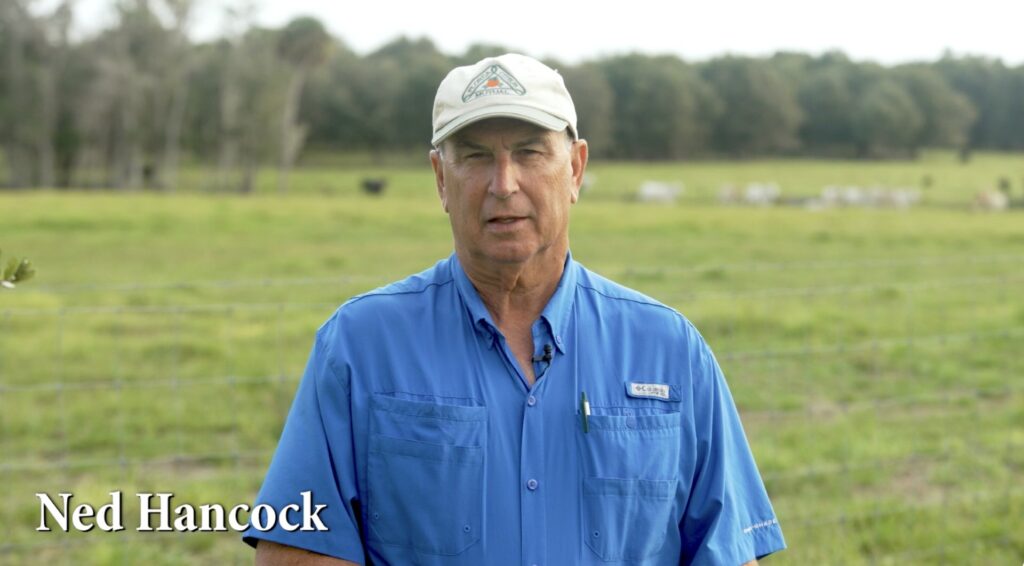
Ned Hancock and his family of growers and cattlemen on Charlie Creek in rural Hardee County know there’s one thing none of them should do if they want to get to heaven: sell their land. Hancock’s great-aunt, the second generation of Hancocks to farm their little slice of paradise in the Peace River Valley, told her descendants that under no circumstances should they part with the lands settled by their ancestors 155 years ago.
“There have been a few divisions and transactions over the years, but not many, and this family knows that our land is key to protecting not just our family’s legacy, but the whole Charlie Creek system of marshes and waterflows to the Peace River,” Hancock said. “My great-aunt warned us that we might not get to heaven if we sell it off.”
More than 1,300 acres of the grove and ranchlands that make up the Charlie Creek Marsh conservation project are now protected by a permanent easement through the Rural and Family Lands Protection Program (RFLPP) at the Florida Department of Agriculture and Consumer Services.
Charlie Creek is an important tributary to the Peace River, which flows west into Charlotte Harbor and ultimately into Florida’s Outstanding Waterways and the Gulf. The conservation of this property will help protect the water quality flowing into the Peace River Basin, which provides drinking water to over a million people in southwest Florida.
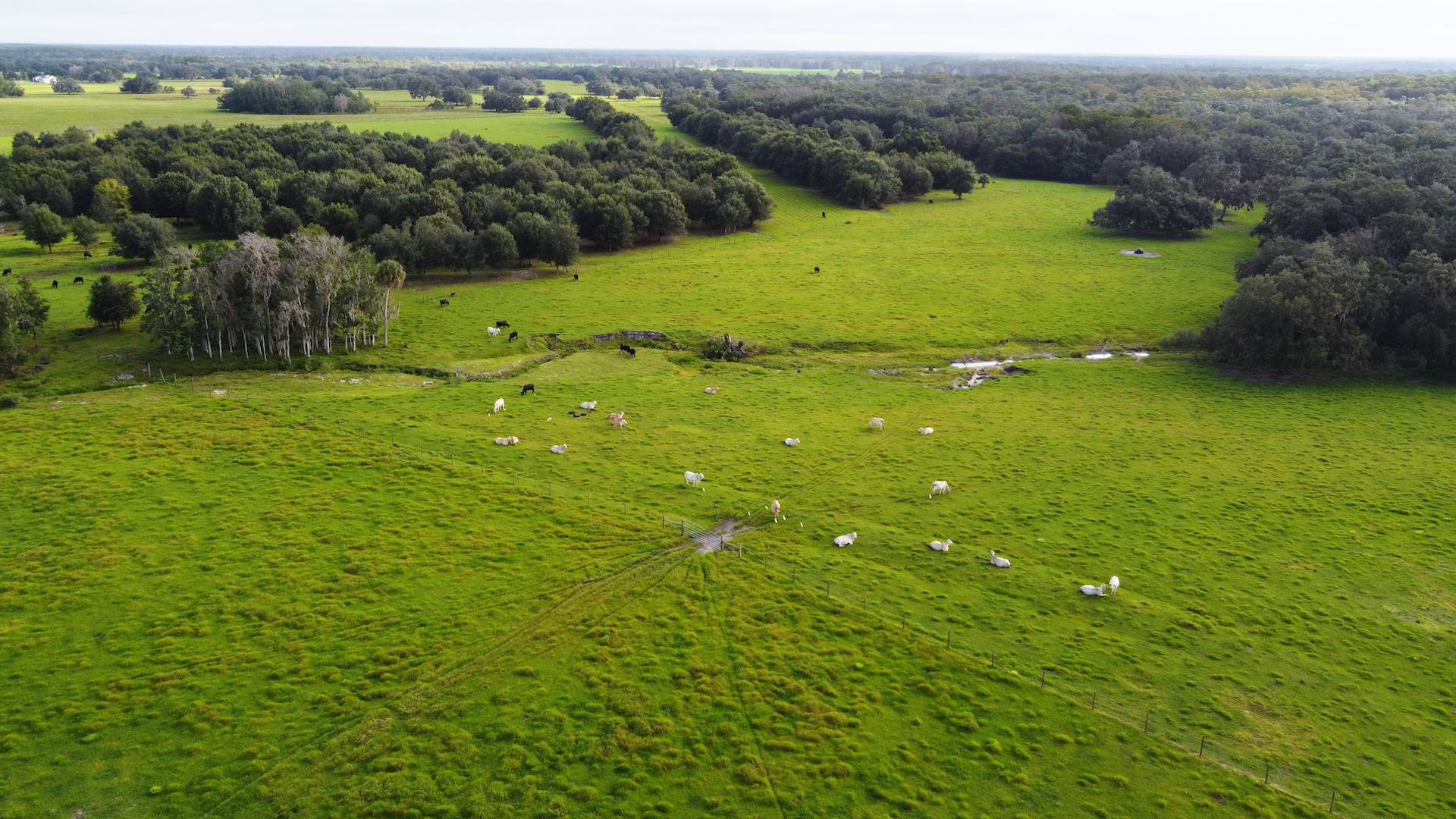
The project involves Hancock’s immediate family and cousins Kelly Durrance and Craig Duncan who together are placing 1,370 acres of the family’s citrus and cattle operations into conservation. The properties, which sit along three miles of Charlie Creek, are mainly used for a cattle operations. But Hancock, a fifth-generation citrus grower, still owns a grove on property that has been in his mother’s family since 1855. Growing Hamlin and Valencia oranges isn’t quite what it used to be due to disease, weather and market fluctuations, but the family hopes to use some of the proceeds of the easement to fund new technology to combat citrus greening and help replant groves.
“The RFLPP program is one of the best things we can fund in our state,” said Hancock. “Not only does it help agriculture, but it helps a tremendous number of people by keeping our water and air clean, keeping rural parts of Florida undeveloped, and keeping a big part of our economy going.”
The RFLPP has placed permanent rural lands protection easements on over 225,000 acres of working agricultural land to date. But the current list of easement projects will cost approximately 2 billion dollars to protect. Hancock says it is well worth the
money.
“This program is a much bigger win for the taxpayers than most anything I can think of. If you compare the cost of a billion-dollar highway interchange in one place in the state to protecting a billion dollars’ worth of natural and agricultural land all over the state, the land protection is much more beneficial,” Hancock said. “I know money will be tight for a few years, but if lawmakers set up a plan to get these easements acquired over the next four or five years, they can actually get a lot more good done for Florida.”
Protecting wetlands and floodplains in the Peace River Watershed is crucial to a healthy Charlotte Harbor Estuary and Gulf. Protecting Charlie Creek Marsh helps store flood waters that would impact downstream communities and the Charlotte Harbor Region, and for maintaining the water quality and hydrological flows into Charlotte Harbor. The land is also critical to protecting large-ranging wildlife such as the Black bear and Florida panther as part of the Florida Wildlife Corridor.
This area is a fast-disappearing rural region, threatened by urban encroachment from nearby Sebring and from suburban residential development sprawling east from the Gulf coast. The disappearance of other families’ long-held ranches and groves helps motivate Ned Hancock and his cousins to conserve their property.
“Preserving Charlie Creek Marsh is a big deal for our family to preserve our heritage and buffer us from development,” Hancock said. “We applaud Commissioner Simpson and the legislature for looking past ‘next week’ and instead looking far into our future by funding the RFLPP. It is really the only way for Florida to remain a desirable place to live.”
Florida Conservation Group (FCG) is focused on protecting a network of conservation lands in the Peace River Valley. The headwaters to Charlotte Harbor begin upstream, so protecting the tributaries to the Peace River like Charlie Creek is critical to the health of our water downstream. Conserving ranchlands and other working lands directly impacts the health of Charlotte Harbor, one of the most important recreational fisheries in the state and an economic engine for southwest Florida. FCG is grateful for opportunity to work with the families of the Charlie Creek Marsh project and respects their commitment to the agricultural and environmental legacy of Florida.
Watch the Charlie Creek Marsh conservation story: https://www.youtube.com/watch?v=URfUUAPhd9g
Photos courtesy of Lauren Yoho/Wildpath and Clint Kelly/Silver Media