Prior to the late 1800s, natural Florida consisted of a mosaic of uninterrupted pine flatwoods, swamps, and prairies intertwined with free-flowing rivers. This water-dominated landscape supported a type of wilderness that was uniquely “Florida,” where an abundance of diverse wildlife thrived. Large flocks of wading birds inhabited wetlands and prairies, and both the Florida panther and black bear roamed the entire state unencumbered. Along the coast, estuaries supported various fish species, oysters, manatees, and more. The dry uplands of longleaf pine forests were inhabited by species such as gopher tortoise, eastern indigo snake, and crested caracara.
Fast forward to today, where the Florida we know still supports an abundance of flora and fauna but is now also home to 23 million people, a stark comparison to the 2.8 million who called the Sunshine State home in the 1950s. The once connected mosaic of ecosystems is now severed by road systems and related development. Florida’s rapid and continued population growth of 1,000 people a day puts tremendous pressure on the state’s natural resources and remaining open landscapes.
Florida Conservation Group (FCG) works to protect Florida’s water, wildlife, and working lands through science-based land conservation efforts, with a primary focus on the ranchlands of South Florida and the working forests in the northern part of the state. In addition to contributing billions of dollars annually to the state economy, these low-intensity agricultural operations most closely mirror Florida’s original ecological landscape. A majority of ranch and timberlands are within the Florida Ecological Greenways Network (FEGN), a statewide database that identifies the most important ecological corridors and intact landscapes. It also serves as the science behind the Florida Wildlife Corridor, which consists of a network of state and national parks, forests, preserves, and private agricultural lands under conservation easements. This network is comprised of 10 million protected acres that connect the Everglades to the Georgia and Alabama borders, allowing wildlife to roam.
Landowner’s Role in Preserving Florida’s Water, Wildlife, and Way of Life
In addition to FCG’s work with scientists, policymakers, and agencies, a key component to protecting these high-priority lands is working with private landowners. This includes advising and assisting landowners throughout the land acquisition process when pursuing a conservation easement or, in cases where an easement is not the best fit, providing expertise and technical assistance regarding other conservation and agricultural assistance programs.
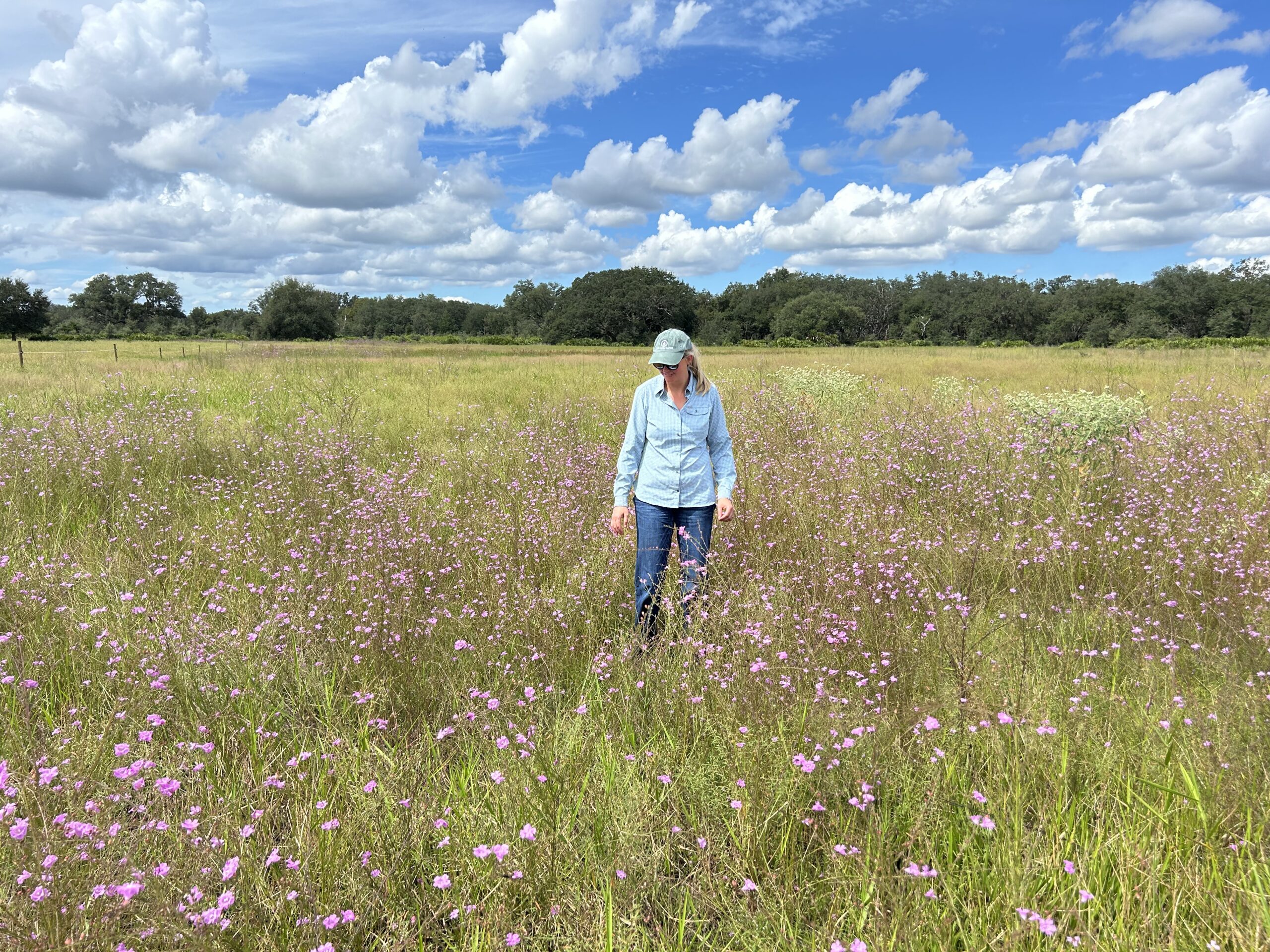
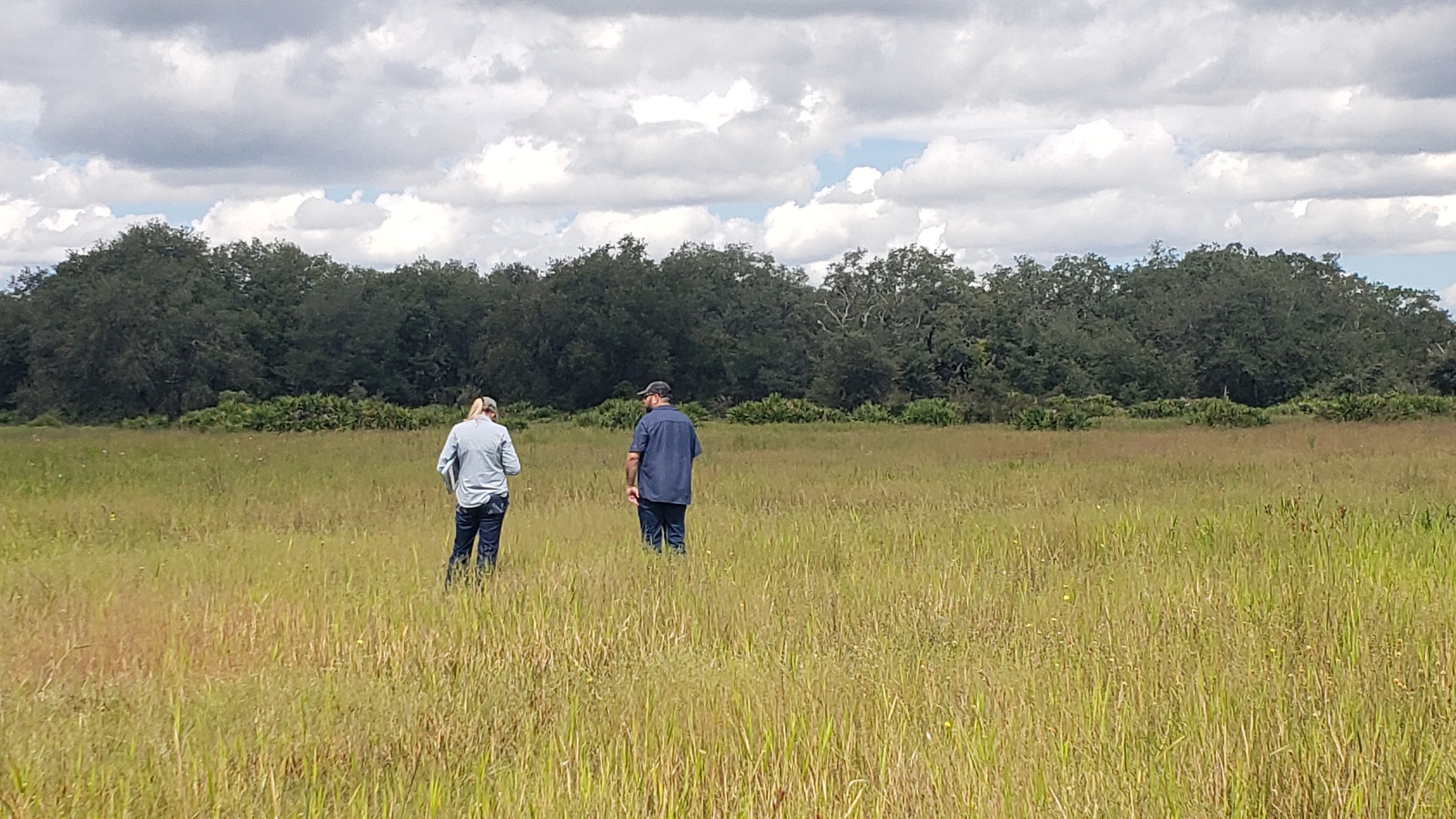
FCG has grazing specialists on staff that help ranchers who are enrolled in Natural Resources Conservation Service (NRCS) implement prescribed grazing plans. These plans utilize best management practices to promote sustainable grazing management that enhances soil health. Grazing specialists provide “boots on the ground” assessments of pastures, evaluating overall forage health and productivity, while also addressing any site-specific resource concerns. This information is then used to develop a rotational grazing plan that helps increase desirable forage utilization while preventing overgrazing, which can lead to issues such as soil compaction and erosion.
A common resource concern throughout Florida ranchlands is the occurrence of invasive weeds. With the influx of Florida’s population growth comes the introduction of invasive species. These invasive and noxious weeds can increase management costs and wildfire potential, and lower biodiversity and forage quality. Grazing specialists assist with scouting pastures, offer weed management recommendations, and help ranchers implement practices that help increase desirable forage competitiveness. This sometimes includes practices such as prescribed burning.
FCG and its grazing specialists help conserve Florida’s ranchlands by aiding in the economical viability of ranchers. Profitable ranchers are more likely to retain their land, preserving large landscapes for wildlife to inhabit. In addition to providing wildlife habitat, healthy grazing lands are more resilient to extreme weather events such as drought and flooding.
Ranchlands also provide various ecosystem services, all while providing a food source for Florida’s growing human population. This includes improving water quality and contributing to water recharge. This replenishing of clean groundwater is made possible by healthy vegetation and soils. Deep-rooted grasses and organic matter help increase the infiltration and filter rainwater before it enters the aquifer.
In addition to the technical services of grazing management, FCG prides itself on building relationships with landowners. This cultivates the trust farmers and ranchers have in conservation efforts and often encourages the adoption of additional conservation practices.