
As ranchers, Clay Smith’s family has always had a “land ethic”—a commitment to caring for and protecting the land. The family’s cattle and citrus operation in Hardee County, has been in operation since the 1850s. Smith, who is both rancher and pastor, recalls that his grandparents and other family elders instilled in his generation a steadfast love for the land.
The benefits of the Smith family’s land ethic extend well beyond the family business. Today, nearly 4,000 acres of his extended family’s properties have been designated as conservation easements, protecting the land from development in perpetuity. The Buckhorn Ranch conservation easement, which was approved by the Governor and Cabinet in February 2026, covers over 1300 acres of the Smith’s family’s cow-calf and citrus operation east of Wauchula.
The easement was approved through the Rural and Family Lands Protection Program (RFLPP), which is managed by the Florida Department of Agriculture and Consumer Services (FDACS). The program’s focus on protecting working landscapes has made it popular among ranchers and other landowners.
Benefits for Both People and Habitat
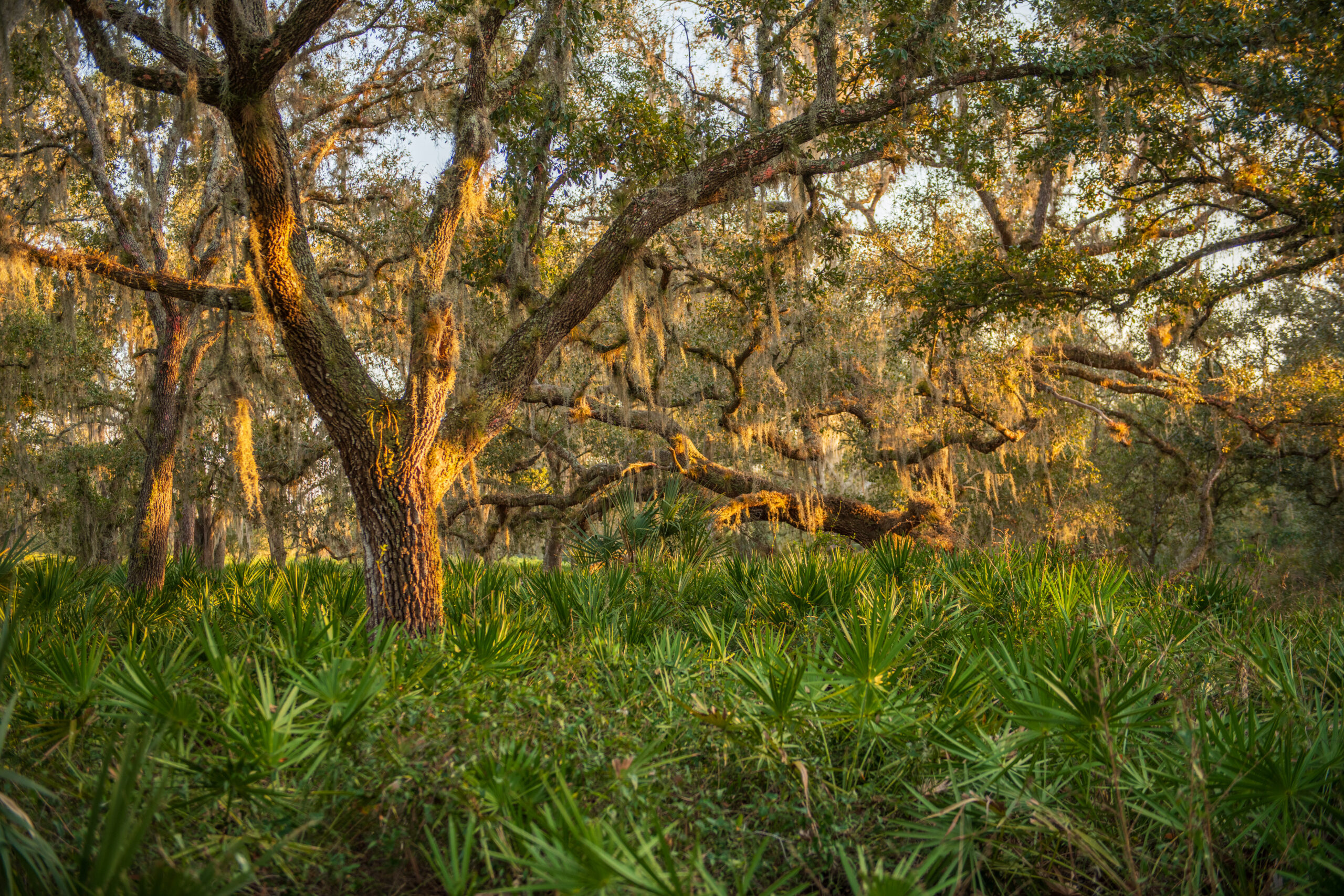
The Buckhorn Ranch conservation easement adds an important piece to the land protection puzzle in Hardee County, with benefits for both people and habitat. The ranch sits on nearly two miles of river frontage along Buckhorn Creek, a tributary of Charlie Creek and the Peace River. These creek systems are part of the Peace River Watershed, which feeds Charlotte Harbor and provides drinking water to over a million people in southwest Florida. Keeping the land in grassland, groves, wetlands, and hardwood hammocks plays a critical role in storing flood waters and maintaining the water quality and hydrological flows into Charlotte Harbor. Protecting land in the watershed is crucial to the health of the Charlotte Harbor Estuary of National Significance.
The headwaters to Charlotte Harbor begin upstream, so protecting the tributaries to the Peace River and Charlotte Harbor on ranchlands supports the health of all the water downstream. The land directly impacts the health of Charlotte Harbor, which is also one of the most important recreational fisheries in the state and an economic engine for southwest Florida. It will add important acreage to the Florida Wildlife Corridor and help link other protected areas recently conserved by Smith’s cousins.
Smith is sensitive to the position his ranch occupies in the watershed. “All that water passes through our ranch and we help clean it before it reaches Charlotte Harbor,” Smith said. “The grasslands provide sheet flow that filters out pollutants before they would reach the Peace River and Charlotte Harbor. That’s why we have to protect this land and give nature space to purify the water.”
Building a Network of Conservation Lands at a Critical Moment
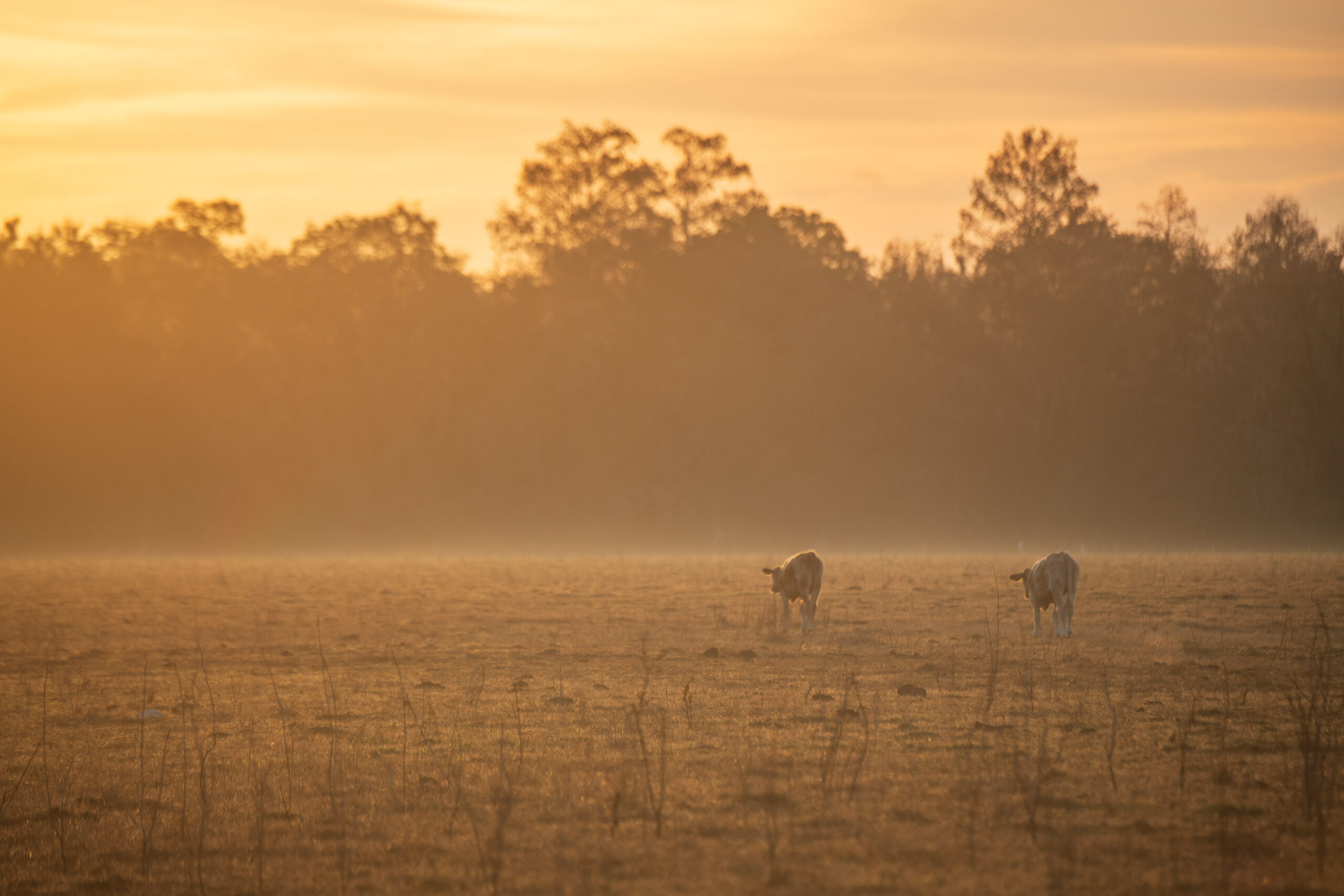
Florida Conservation Group is working to protect a network of conservation lands in the Peace River Valley, such as Buckhorn Ranch. “FCG is honored to work alongside the Smith family, FDACS and state leaders to conserve lands that are vital to the agricultural and environmental legacy of Florida,” said FCG Executive Director Julie Morris.
Morris recognizes the challenge involved in building a network of protected natural and agricultural lands. Florida is at a critical moment. The state’s population has swelled to 23.5 million people and is growing. Smith worries about the potential for losing water quality if lands in the watershed are converted to housing with septic tanks and runoff from new roads.
Need for Sustained Public Funding in Florida’s Conservation Programs
“It will take a mix of public and private conservation lands to protect the state’s water, wildlife and greenspace,” Morris says. Land conservation programs such as the RFLPP and its counterpart, Florida Forever at the Department of Environmental Protection, play an essential role, but lasting conservation success requires sustained public investment. These programs are dependent on the Florida Legislature for funding each year, which presents an ongoing challenge.”
Smith recognizes that preserving land like the Buckhorn Ranch is not just about saving a piece of Florida’s past but also about creating a sustainable future for the state. “It really comes down to what the Florida Legislature wants the state to look like in 30 years or so. We can be one big urban sprawl, or we can take care of the natural resources that draw so many people to Florida in the first place. To me, it’s a no-brainer. We need to fund these programs.”
The Florida Legislature is currently working on the state’s budget for the coming year, and Morris hopes they will continue to invest in the state’s conservation programs. “Landowners like the Smiths are lining up, willing to protect their land,” added Morris. “But we need funding for both Rural and Family Lands and Florida Forever. We are in a race against time. With over 1,000 people moving to Florida every day, we need to protect these lands now. We need to protect what we hold dear as Floridians before it’s too late.”