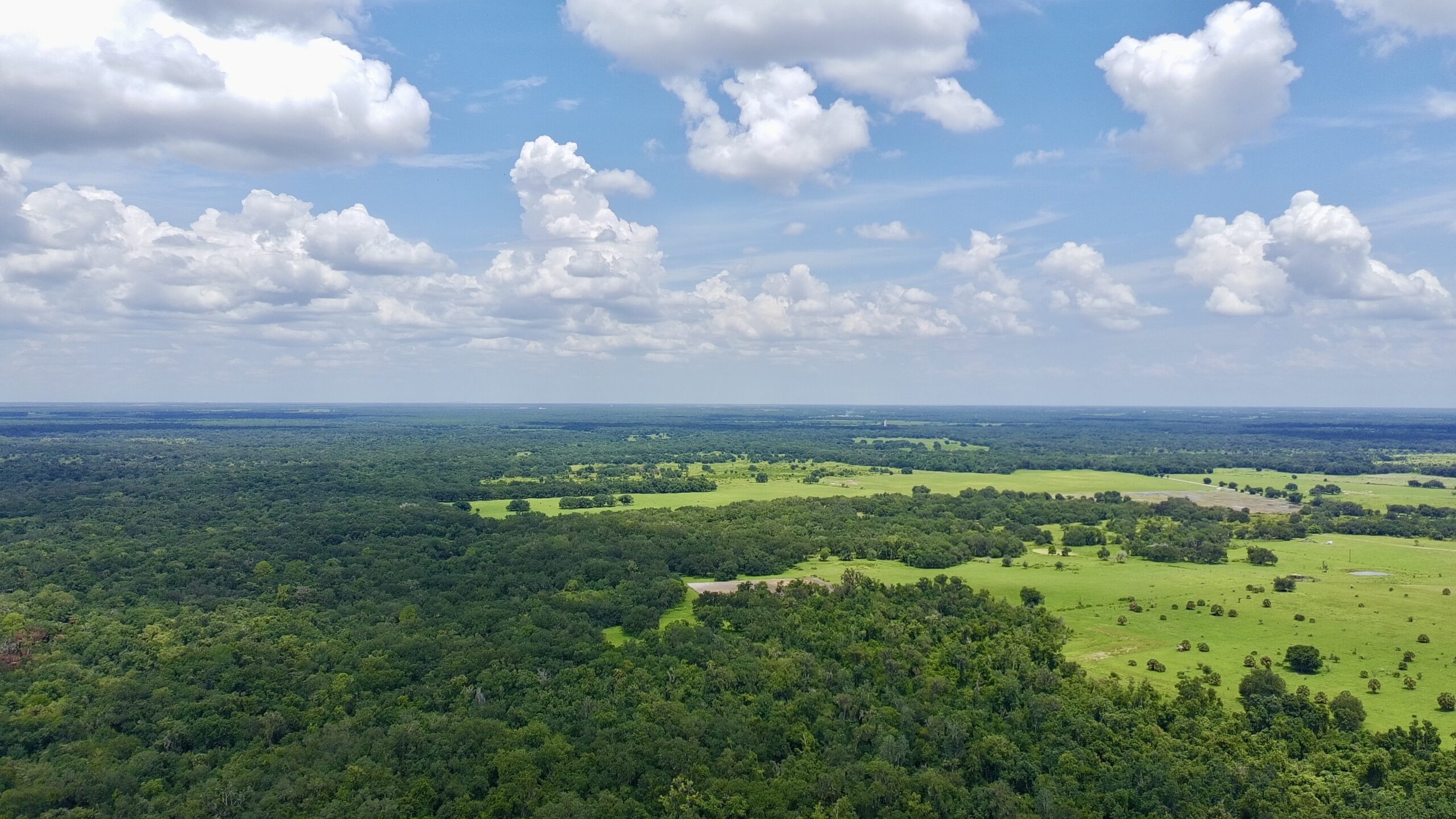
Tucked into the grasslands and hardwood forests of the Peace River Valley in Hardee County is a picturesque 660-acre tract of working ranchland known as the Ludwig property. The property, which sits along Brushy Creek just west of the Peace River, will now be conserved in perpetuity.
That’s because Keith Ludwig, a first-generation rancher and lifelong oceanographic engineer, saved for years to buy the land and place it in a conservation easement. The Florida Department of Agriculture and Consumer Services’ Rural and Family Lands Protection Program (RFLPP) makes the easement possible.
Conserving the Ludwig property helps close a gap in the Florida Wildlife Corridor that harbors wildlife species, like the Florida panther, indigo snakes and the Florida burrowing owl. For Ludwig, continuing to manage his cow-calf operation while forever protecting the natural landscape and wildlife that makes Florida unique is incredibly meaningful.
“Conserving Florida’s land and water means protecting working agricultural lands and the natural resources that communities, wildlife and future generations of Floridians will depend on,” Ludwig said. “I want to do my part to conserve this landscape and its water resources for generations to come.”
Protecting the Headwaters of Charlotte Harbor
One look across the Ludwig property and it’s clear that conserving this land is about more than its acreage – it’s about preserving the creeks, wetlands, and other surface water resources that flow through it.
The property lies within the Brushy Creek basin and it’s part of the Peace River Watershed. Across the ranch, surface waters weave through mixed-wetland hardwood forests, marshes, grasslands and mesic flatwoods, creating a landscape that is essential to the region’s water resources and wildlife.
Tributaries that flow through the property carry water downstream into Charlotte Harbor and, ultimately, the Gulf. Conserving these lands will help improve water quality, recharge aquifers and reduce regional flooding.
This is critical to Floridians’ well-being. The Peace River Valley region supplies drinking water to nearly a million residents in southwest Florida and its waterways are central to the health of the Charlotte Harbor Estuary, an Estuary of National Significance.
“I know my land is helping to protect our wildlife and our water downstream, and I think that’s incredibly important,” Ludwig added. “I hope to help get more conservation started in this area by inspiring others to participate in the Florida Department of Agriculture’s Rural and Family Lands Protection Program. It’s a good deal for Florida’s taxpayers because we keep running our ranch operations while helping protect wildlife habitat and the watershed.”
Ludwig is right about that. Surface waters found across his entire property are part of a larger system that connects the ranch to the Peace River, Charlotte Harbor and the Gulf. Protecting lands like the Ludwig Property helps safeguard the quality of water flowing downstream.
Sustaining the health of Charlotte Harbor is vitally important as it’s one of the state’s most important recreational fisheries and a major economic engine for southwest Florida.
One Ranch, A Bigger Ripple
The Florida Conservation Group is working to conserve the lands surrounding vital Peace River tributaries and has supported the conservation easements of 11,000 acres in the watershed over the last year.
Having grown up on a small farm in Indiana, Ludwig says he has always appreciated the hard work of farmers and ranchers. He learned how to work his cows and calves by receiving on-the-job training from local ranchers. They taught him how to run a ranch that is both efficient and sustainable.
Ludwig hopes his efforts to conserve his own property will inspire a ripple effect across the region.