By Julie Morris | Bradenton Herald
It seems like just yesterday I was a child running wild in the woods of Sarasota County — camping and fishing along the Myakka River and its deep green basin of palm and pine forests, wetlands and prairies.
But I don’t recognize many of those natural areas now. The vast expanses of unspoiled hammocks and pinelands are largely gone. These days, I feel a shock to my system when I drive through areas that were rural just a short time ago. The woods I grew up in are disappearing, as more and more people move here, drawn to the same natural wonders that I was.
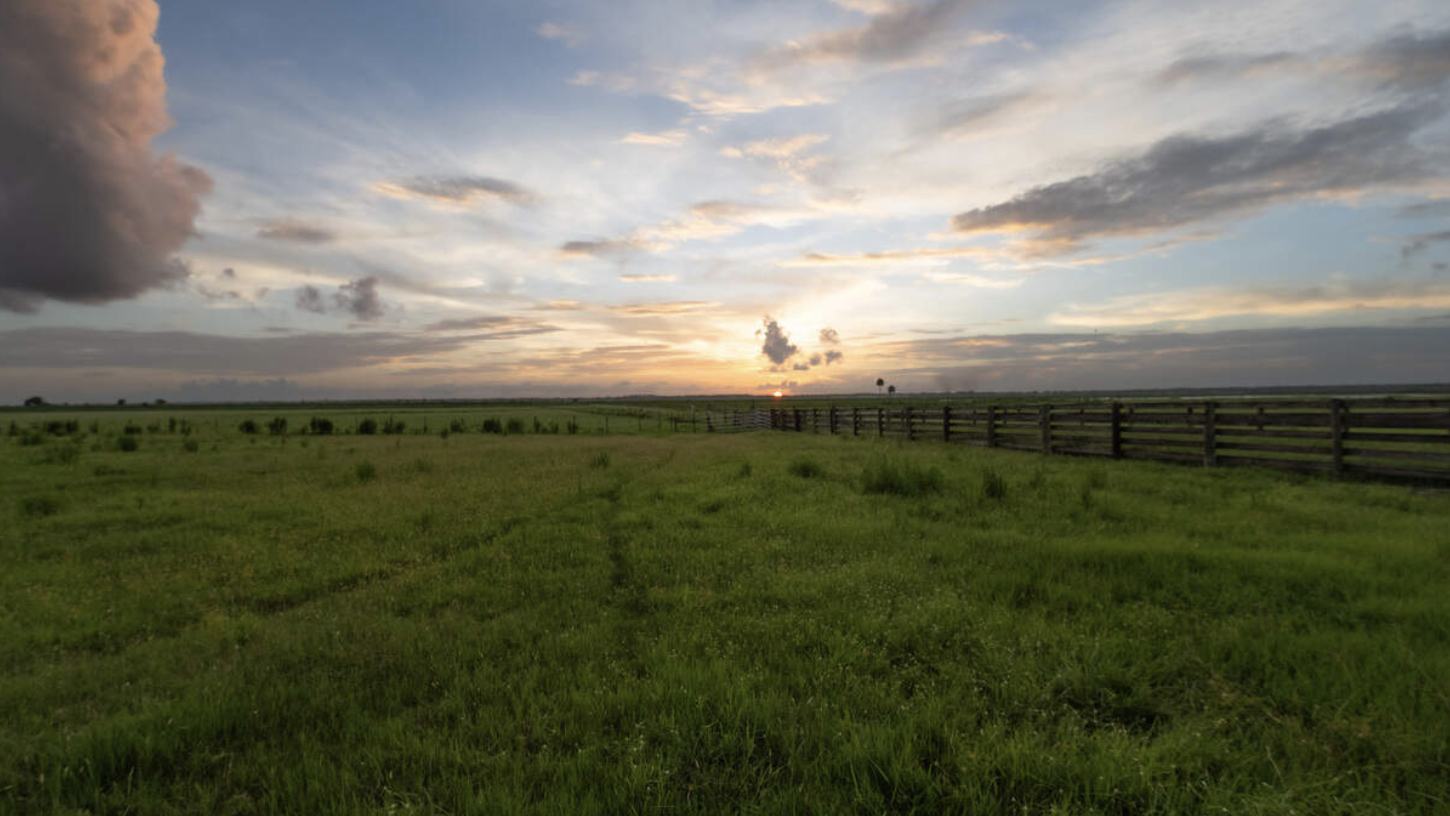
Lost Girl Prairie Ranch — Manatee and Sarasota Counties. Max Kelly Courtesy of the Florida Conservation Group
Florida is being loved to death.
Each year, Florida loses more than 60,000 acres of natural and agricultural lands. The situation is especially critical in south-central and southwest Florida, home to vast ranchlands and grassland landscapes that support plants and animals found nowhere else in the world.
The importance of protecting Florida’s natural lands is widely understood. But protecting Florida’s agricultural lands is just as critical. Our region’s ranches, groves and farms are often a combination of natural uplands, wetlands and working agricultural lands. We need these landscapes to protect our water resources, preserve open space, support agriculture and provide habitat for wildlife.
One of the most effective ways to protect these lands is through conservation easements. A conservation easement allows the state or another entity, such as Sarasota or Manatee County, to purchase the development rights on private property, permanently protecting the land from development. The landowner retains ownership and continues to manage the property, including compatible agricultural operations such as ranching.
Conservation easements also stretch conservation dollars further, allowing large areas of land to be protected at a fraction of the cost of purchasing the property outright, without the ongoing expense of public land management.
These working landscapes provide far more than open space. Our ranchlands support Florida’s iconic wildlife, including the Florida panther, Florida black bear and gopher tortoise.
They are also essential to our water resources.
The water we drink, fish and swim in is connected to rural watersheds. During the wet season, water overflows wetlands and moves across the landscape into sloughs, creeks and tributaries, eventually reaching the Myakka River and Charlotte Harbor. Ranches and other rural, undeveloped lands also provide flood storage that helps reduce the impacts of heavy rain events, including hurricanes and tropical storms, on cities, suburbs and other developed areas downstream.
These watersheds are essential to the health of our communities and the future of this region.
Florida has two primary state programs that fund conservation easements. The Rural and Family Lands Protection Program (RFLPP) focuses on protecting agricultural lands, while Florida Forever focuses on protecting high-priority natural resource areas through conservation easements and outright purchases.
Both state programs partner with local and federal programs to leverage resources and maximize protection benefits. In our area, we can help preserve our natural and agricultural lands by voting to renew county land conservation programs in Sarasota, Manatee, and Charlotte counties. These programs protect water and wildlife, plus our recreational areas.
When I drive through areas that were part of my childhood wilderness, I often wonder what this region would look like today without the conservation programs that have protected some of our most important landscapes.
Consider Myakka River State Park, one of the crown jewels of Florida’s state park system. The park is still surrounded largely by ranchlands and other open spaces. But what would happen if those lands were replaced by subdivisions?
The park would face increasing pressure from stormwater runoff, light pollution, invasive species and the loss of surrounding wildlife habitat. Prescribed fire, which is critical to maintaining the park’s ecosystems, would become increasingly difficult as residential and commercial development moved closer to its boundaries. Wildlife would have fewer places to move, and visitors would experience a very different park.
Conservation easements on surrounding ranchlands do more than protect the individual properties. They also help protect the ecological integrity of Florida’s public lands.
We still have an opportunity to conserve additional lands in this region, but that opportunity will not last forever.
Landowners are lining up to obtain conservation easements on their properties, even as developers are knocking on their doors asking them to sell. The willingness to conserve is there. What we need is the funding to make it possible.
We can and we must influence the future of land protection in Florida. Funding Florida Forever and the Rural and Family Lands Program is a cost-effective way to protect our land, water, wildlife and working agricultural landscapes. We must continue supporting our local conservation programs and urge state lawmakers to commit significant funding to both state programs.
Once these lands are developed, we cannot get them back. The time to protect them is now.
Julie Morris is Executive Director of the Florida Conservation Group, a nonprofit focused on protecting Florida’s ranchlands. She and her husband own a cow-calf operation in the Myakka Valley, and their two daughters are now running wild on their conserved ranchland.