What Amendment 3 Could Mean for Land Conservation in Florida
Florida voters will consider Amendment 3 on November 3, 2026. The proposed constitutional amendment would increase homestead property tax exemptions and change how certain properties are assessed for taxation. While these changes would provide property tax relief to qualifying homeowners, they would also reduce revenue available to local governments and special districts.
According to Florida’s Revenue Estimating Conference, Amendment 3 is projected to reduce local government property tax revenue by approximately $4.9 billion in fiscal year 2027–2028. Annual reductions could reach approximately $11.8 billion by fiscal year 2031–2032.
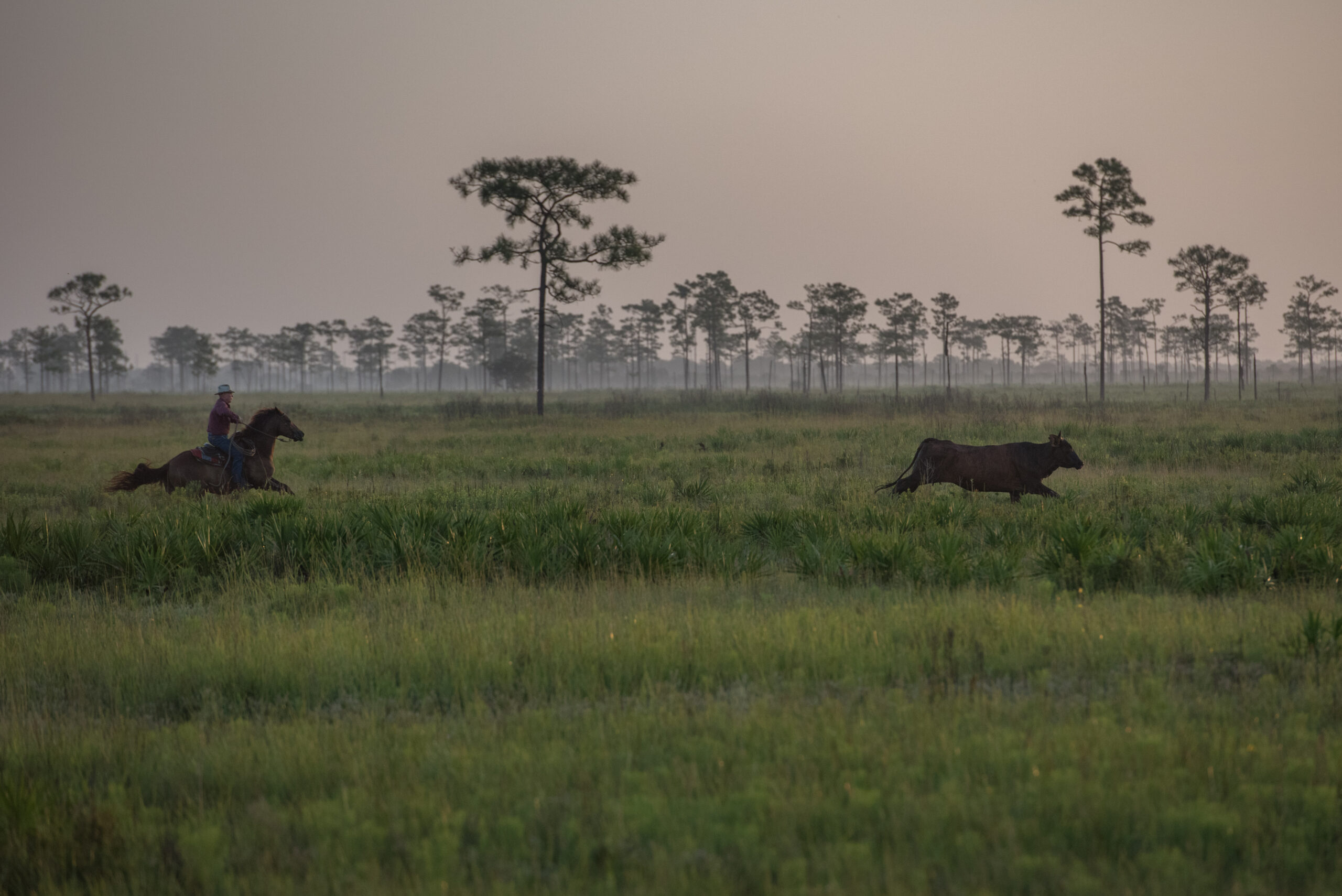
Photo Credit: Carlton Ward Jr./Wildpath
What does this mean for land conservation?
Property taxes are an important funding source for local land conservation programs throughout Florida. Many counties have established voter-approved programs that provide dedicated funding to acquire and permanently protect environmentally sensitive lands, wildlife habitat, watersheds and other natural areas.
Sarasota County is one example. Its Environmentally Sensitive Lands Protection Program is supported by a voter-approved property tax. County budget projections in August 2026 estimate that Amendment 3 could reduce the program’s annual revenue by about $5.6 million in fiscal year 2029. This includes operating and debt-service revenue.
Amendment 3 would not eliminate local conservation programs or prevent counties from funding land protection; however, projected reductions in property tax revenue could reduce funding available for future conservation projects. The actual impact would depend on local budget decisions, tax rates and other funding sources.
Local conservation programs complement statewide land protection initiatives such as the Florida Department of Environmental Protection’s Florida Forever and the Florida Department of Agriculture and Consumer Services’ Rural and Family Lands Protection Program. These programs together help protect Florida’s working ranchlands, water resources, wildlife habitat and connected natural landscapes.
As Florida continues to grow and experience development pressure, reliable funding for land conservation remains an important consideration.
Florida Conservation Group encourages voters to review Amendment 3 and consider its potential implications for local land conservation funding.